Rocket Doodle Font for Bold Web Design
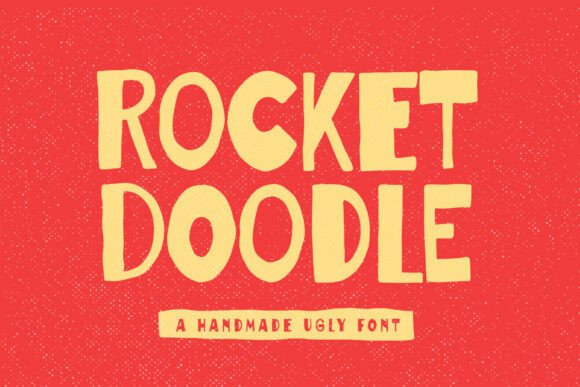
Rocket Doodle is a bold, handmade display font that brings a unique personality to web design. Its quirky, intentionally imperfect style adds character and energy to digital projects, making it ideal for creative websites, branding, and visual storytelling. As a designer, I often look for fonts that stand out while maintaining usability, and Rocket Doodle delivers on both fronts.
Rocket Doodle for Creative Portfolio Websites and Branding
Rocket Doodle is perfect for creative portfolio websites where visual impact matters. Its chunky strokes and uneven lines create a dynamic presence that catches the eye, especially in headers and logo text. When used for a design studio or artist’s portfolio site, Rocket Doodle helps establish a playful yet professional brand tone. Pair it with a clean sans serif font for body copy to balance its boldness and ensure readability across different screen sizes.
For branding, Rocket Doodle can be used in social media graphics, email newsletters, and website banners. Its ugly-cute charm works well for niche brands targeting younger audiences or those looking to express a more whimsical identity. The font’s imperfections add authenticity, making it a strong choice for indie brands, startups, and boutique businesses.
Rocket Doodle for Landing Pages and Conversion-Focused Layouts
In landing pages, Rocket Doodle shines as a headline font that draws attention without overwhelming the user. It’s particularly effective for call-to-action buttons, hero sections, and product headlines. The font’s playful nature can help create a sense of urgency or excitement, which is essential for conversion-focused designs. However, it’s best reserved for short phrases rather than long paragraphs, as its irregular shapes may reduce legibility at smaller sizes.
When designing for mobile screens, consider using Rocket Doodle at larger sizes and ensuring sufficient contrast against backgrounds. On dark backgrounds, the font’s uneven lines may appear too busy, so testing on different color schemes is recommended. For online stores or SaaS landing pages, Rocket Doodle can be used for product titles, feature highlights, or promotional banners to add visual interest and reinforce brand personality.
Rocket Doodle for Digital Ads and Social Media Graphics
Rocket Doodle is an excellent choice for digital ads and social media graphics where eye-catching typography is key. Its bold, handmade style stands out in platform-specific formats like Instagram posts, Facebook banners, and LinkedIn headlines. The font’s uneven strokes and quirky details make it ideal for campaigns targeting creative industries, such as art, fashion, or tech startups.
When using Rocket Doodle in ads, keep the text concise and avoid overloading the design with too many elements. It pairs well with simple, modern layouts that let the font take center stage. For YouTube thumbnails or Twitter headers, Rocket Doodle can help create a memorable visual identity that aligns with your brand’s tone and message.
Rocket Doodle for Blog Headers and Content Sections
Blogs and content sites benefit from Rocket Doodle when used in headers, section titles, and featured content areas. Its lively style adds a fresh, energetic feel to editorial designs, making it a great fit for lifestyle, creative, or entrepreneurial blogs. However, it’s important to use it strategically—overusing the font can disrupt the flow of reading and reduce user engagement.
For blog headers, pair Rocket Doodle with a clean serif or sans serif font for subheadings and body text. This creates a balanced hierarchy that guides readers through the content. In content sections, use the font sparingly for pull quotes, featured insights, or highlighted tips to maintain visual interest without compromising readability.
Rocket Doodle for Online Stores and E-Commerce Branding
Online stores and e-commerce platforms can leverage Rocket Doodle to create a distinctive brand identity. It works well for product titles, sale banners, and promotional messages that need to grab attention quickly. The font’s playful aesthetic is especially effective for niche products, handmade goods, or creative services that aim to stand out in crowded markets.
When designing for e-commerce, consider how Rocket Doodle looks on product images and banners. Ensure that the font remains legible even when placed over complex backgrounds or images. Testing different weights and styles can help find the right balance between visual appeal and usability. For online store logos or checkout pages, Rocket Doodle can reinforce brand recognition and create a cohesive digital experience.
Rocket Doodle for Logo Design and Visual Identity
Rocket Doodle is an ideal choice for logo design when a handmade, unconventional look is desired. Its uneven lines and playful charm give logos a unique, artisanal feel that can differentiate a brand from competitors. It works well for logos that aim to convey creativity, innovation, or a personal touch.
When using Rocket Doodle in logos, consider the context and audience. It may not be suitable for formal or corporate brands but can be powerful for creative agencies, independent artists, or community-driven initiatives. Always test the font at different sizes and on various backgrounds to ensure it maintains its character and clarity across all applications.
Rocket Doodle for Webfont Availability and Commercial Use
Before using Rocket Doodle in web projects, check the available file formats and webfont licensing options. Most premium fonts include WOFF, WOFF2, and TTF formats for cross-browser compatibility. Ensure that the license allows for commercial use on websites, client projects, and digital templates. Some fonts may require separate licenses for web embedding or public use, so reviewing the terms is essential.
For designers working on multiple projects, having access to alternates, weights, and multilingual support can enhance flexibility. Rocket Doodle may offer variations that allow for subtle adjustments in style, helping maintain consistency across different design elements. Always verify that the font supports the languages and characters needed for your target audience.